Categories
Window Films and Tinting Toronto

What Are Window Films? A Simple Guide for Toronto Homes and Businesses

Window films are one of the most searched window upgrades in Toronto and the GTA, and it’s easy to see why. People look up window films when rooms get way too hot in summer, glare ruins screens all afternoon, privacy feels gone at night, or floors and furniture start fading faster than expected.

If you searched for window films in Toronto, you’re likely trying to fix a real problem, not just change how your windows look. This guide explains what window films are, how they work, and why homeowners, condo owners, offices, and storefronts across the GTA use them instead of replacing windows.

This article is based on real buildings and real installs in Toronto, North York, Scarborough, Etobicoke, Vaughan, Markham, and Mississauga. No sales talk. Just clear answers that help you decide.

What Are Window Films and How Do They Work?

Window films are thin layers that get applied directly to glass. They change how sunlight, heat, and UV rays move through a window. The window stays the same. The performance changes.

Most window films are installed on the inside of the glass. Once applied, the film reflects or absorbs part of the sun’s energy before it enters the space. That small change can make a big difference in comfort.

In Toronto and the GTA, window films are commonly used to:

  • Reduce heat from strong afternoon sun
  • Cut glare on TVs, laptops, and office screens
  • Block UV rays that fade floors and furniture
  • Add privacy to condos and street-facing homes
  • Improve safety on glass doors and storefronts

Window films are not paint or spray coatings. They are made with layers. Each layer does a job. Some layers reflect heat. Some block UV. Some control light. Some help glass stay together if it breaks.

If you want a broad overview of options and use cases, this page gives a good starting point: window films.

Why Window Films Matter More in Toronto and the GTA

Toronto buildings deal with tough weather swings. Hot summers. Cold winters. Strong sun angles in spring and fall. Many homes and condos were not designed for large glass areas facing direct sunlight.

Downtown condos often have floor-to-ceiling windows facing west or south. Homes in Scarborough and Etobicoke have large front windows with no shade. Offices in North York and Vaughan deal with glare every afternoon.

Window films help manage these problems without ripping out windows.

Example from King West: a condo owner had a living room that stayed about 4 degrees hotter than the rest of the unit every summer. After installing solar window films, the room cooled enough to use comfortably. Curtains stayed open. The AC didn’t work as hard.

Another example comes from a townhouse in Pickering. The owner noticed fading on hardwood floors near sliding doors. After adding UV-blocking window films, fading slowed and the room still felt bright.

Natural Resources Canada explains why windows are a major source of heat gain and loss in Canadian buildings, which helps explain why films work the way they do: ENERGY STAR windows and efficiency.

Types of Window Films Used in Homes and Businesses

Not all window films do the same thing. The right type depends on the problem you want to fix.

Solar window films focus on heat and glare. They reduce solar heat entering a room and help keep temperatures more even. These are common in condos, offices, and homes with strong sun exposure. This guide explains how they help: heat blocking and UV protection with solar film.

UV-blocking window films protect interiors. They block most UV rays that cause fading. These films are popular in living rooms, retail stores, and homes with hardwood floors.

Privacy window films limit visibility. Frosted and patterned films work day and night. Reflective films give daytime privacy but change at night when lights are on. A full breakdown is here: privacy window film options.

Security window films help hold broken glass together. They do not make glass unbreakable, but they slow entry and reduce flying shards. This is useful for storefronts and glass doors. Learn more here: security window films.

How Window Films Perform After Installation

Once installed, window films start working right away. Performance improves as the adhesive cures.

The process is simple:

  • Sun hits the glass
  • The film reflects or absorbs part of that energy
  • Less heat enters the room
  • Glare drops and comfort improves

Some films are nearly clear and focus on heat and UV control. Others are darker or reflective and focus more on glare and privacy. Frosted films block views while keeping light.

In winter, window films help reduce cold drafts near windows. They do not replace insulation, but many Toronto homeowners notice rooms feel less chilly near glass.

Film choice must match the glass type. Double-pane and Low-E glass need specific films. Using the wrong film can stress window seals. This article explains what affects film choice: key considerations when installing window films.

Common Problems Window Films Solve

Most people search for window films because something feels off.

Heat is the most common issue. South- and west-facing rooms get hammered by sun. Solar window films reduce heat buildup and make rooms usable again.

Glare causes eye strain and makes screens hard to see. Window films cut glare without making rooms dark.

UV damage shows up slowly. Floors fade. Furniture discolours. Displays bleach unevenly. Window films block most UV rays and slow this damage. Health Canada explains UV exposure clearly here: UV index and sun safety.

Privacy becomes an issue at night. Condos and ground-level homes feel exposed. Privacy window films solve this while keeping natural light.

Case Study: Retail Store in East Toronto

A small retail shop near Danforth had strong sun pouring through the front window. Products near the glass faded faster, and staff felt exposed after dark.

After installing UV-blocking and light privacy window films, fading slowed and visibility from outside dropped at night. The store stayed bright during the day and looked the same from the street.

The owner avoided window replacement and stayed within lease rules.

Professional Window Films vs DIY Film

DIY window films often seem cheaper at first. Issues show up later.

Common problems include trapped dust, bubbles, lifting edges, uneven darkness, and peeling in winter.

Professional window films last longer because:

  • The film matches the glass type
  • The glass is cleaned properly
  • The film is cut to fit the real window
  • The adhesive cures the right way

There is also accountability. If something fails, it gets fixed.

This comparison explains the difference clearly: DIY window films vs professional installation.

Window Films vs Window Replacement

Many Toronto property owners ask if replacing windows makes more sense.

Window replacement costs more and causes disruption. It is often not allowed in condos or commercial buildings.

Window films improve existing glass at a lower cost and with less mess. For many homes and offices, films solve the problem without replacement.

This guide explains when each option makes sense: window films vs window replacements.

What to Expect During Window Film Installation

Most window film installs in Toronto and the GTA take a few hours. Homes are often done in one day. Offices can be staged to avoid downtime.

You can stay during installation. There is no demolition and little mess.

After installation, films need time to cure. Avoid cleaning for a few days. Use soft cloths and mild cleaners after that.

Many people notice results after the first sunny day. Rooms feel calmer. Glare drops. Comfort improves.

Why Local Experience Makes a Difference

Toronto buildings vary a lot. Condo rules, glass types, sun exposure, and seasons all matter.

Installers who work across the GTA understand these details. That local experience helps avoid mistakes and improves results.

Thinking About Window Films for Your Space?

If heat, glare, fading, privacy, or safety is bothering you, window films are worth a closer look. They are one of the few upgrades that improve comfort without changing how a space looks.

If you want help choosing the right option or learning what works best for your building, visit Tintly Window Films to get more details or ask a question.

Good window films do their job quietly. You stop noticing the problem you had. That’s usually the goal.

Categories
Window Films and Tinting Toronto

What Are Commercial Security Film Requirements in Canada? Codes, Standards, and Compliance

If you own or manage a business and you are searching for window films in Toronto, you are likely dealing with real problems. Broken storefront glass. Break-ins after hours. Staff worried about safety. Lost days waiting for repairs. These issues show up fast in the GTA, especially in areas with foot traffic and street-facing glass.

Window films are often talked about as a comfort or privacy upgrade, but for many commercial buildings they play a safety role. In Canada, glass safety ties into building rules, insurance pressure, and basic risk control. When glass fails, people can get hurt and business stops. That is why many Toronto businesses now look at window films before something goes wrong.

This article explains how window films, especially security-focused window films, fit into commercial safety expectations in Canada. It also explains how real businesses across Toronto and the GTA use them in everyday spaces.

What Commercial Security Film Requirements Mean in Canada

Canada does not have one clear law that says every business must install security window films. This causes confusion. Many owners think no rule means no responsibility. That idea causes problems later.

Commercial buildings in Ontario follow the Ontario Building Code. The code focuses on safety when glass breaks. Doors, storefronts, office panels, and public glass areas should reduce injury risk when failure happens.

This is where window films matter.

Standard glass breaks hard. Shards fall. People get cut. In retail shops, clinics, gyms, and offices, this turns into panic, claims, and downtime. Security window films are designed to hold broken glass together. They do not stop glass from cracking. They control how it breaks.

Most expectations around security window films come from:

  • Building safety rules
  • Safety glazing standards
  • Insurance risk policies
  • Workplace safety rules
  • Property manager guidelines

Many Toronto landlords do not say “install security film.” They say “reduce glass hazard” or “limit damage risk.” Window films solve this without replacing glass.

If you want a clear explanation of the product itself, this guide helps: What Are Security Window Films.

How Window Films Reduce Safety and Liability Risk

Most Toronto business owners add window films after a close call. A break-in nearby. A cracked door panel. A staff injury scare.

Once glass breaks, the questions are simple.

  • Was the glass protected?
  • Was the risk known?
  • Could damage have been reduced?

Security window films help answer those questions.

When installed correctly, window films keep broken glass in place. This matters in storefronts, glass doors, office partitions, and waiting areas.

In downtown Toronto, North York, Mississauga, and Brampton, many buildings still use older glass. It met code when installed years ago. It still fails the same way today. Window films add protection without changing the glass itself.

Insurance companies often view security window films as damage control. They do not replace alarms or locks. They slow entry and limit mess.

Where Commercial Window Films Are Common in Toronto and the GTA

Security window films show up most in places with street exposure and public access.

Across Toronto and the GTA, they are common in:

  • Retail storefronts
  • Medical clinics and pharmacies
  • Office entrances
  • Schools and daycares
  • Restaurants with street-facing glass

In Etobicoke and Vaughan, plaza owners started pushing glass protection after repeat smash-and-grabs. In Scarborough, several strip malls added window films after winter break-ins increased.

Ground-level glass, corner units, and buildings near transit stops face higher risk.

Toronto Police also recommend physical barriers that slow entry. Their prevention page supports this: Toronto Police break-and-enter prevention.

Window Films vs Full Glass Replacement for Businesses

Replacing commercial glass is expensive and slow. Large panes in Toronto can take weeks to arrive. During that time, stores board up windows. Customers hesitate. Staff feel uneasy.

Window films change how damage happens.

Many businesses use window films to:

  • Extend glass life
  • Reduce repeat replacements
  • Limit downtime after break-ins

When glass with window film breaks, it often stays in place. The opening stays more sealed. Clean-up is faster.

Window films do not make glass unbreakable. They buy time.

If you are weighing options, this comparison explains the difference: Tinted Window Film vs Full Window Replacement.

For national safety guidance, see: Codes Canada publications.

Why Professional Installation Matters for Window Films

Not all window film installs work the same.

Security window films need clean prep, correct pressure, and proper edges. Poor installs fail early. Film peels. Corners lift.

A professional installer understands:

  • Local glass types
  • Correct cleaning steps
  • Film thickness choices
  • Edge finishing

Security window films are not decorative films. They behave different and need proper handling.

For planning tips and common mistakes, read: Key Considerations When Installing Window Films.

Local Example: Retail Plaza in North York

A small retail plaza near Sheppard Avenue replaced storefront glass three times in one year. Each break happened after hours.

The property manager added security window films to all ground-level units.

Six months later, another attempt happened. The glass cracked but stayed in place. Entry failed. No unit closed the next day.

Another Example: Medical Clinic in Mississauga

A clinic near Hurontario Street added window films after a waiting room panel shattered during a cold snap.

No break-in. Just stress and temperature change. The film held the glass together. No injuries. The clinic stayed open.

Seasonal Issues That Push Businesses Toward Window Films

Toronto winters stress glass. Cold snaps, vibration from traffic, and nearby construction all add pressure. Summer brings foot traffic and higher vandalism risk.

Window films help year-round by holding glass during impact and reducing injury risk.

For official Ontario guidance, see: Ontario Building Code overview.

Choosing the Right Window Films for Commercial Use

Not all window films suit commercial spaces.

Most businesses need thicker films, clear views, and long service life.

A good installer reviews location, glass size, and risk before recommending film.

Window Films as Part of a Security Plan

Window films work best with alarms, lighting, and cameras. They slow entry and reduce damage.

Final Thoughts for Toronto Business Owners

Window films are not just cosmetic upgrades. For many Toronto and GTA businesses, they solve real safety problems.

They reduce glass injury risk. They limit break-in damage. They support building expectations without major renovation.

Most owners add window films after glass breaks. A calmer move is adding them before cleanup day.

If you are already searching for window films, you are likely closer to that decision than you think.

Categories
Window Films and Tinting Toronto

What Are Window Films? How Commercial Window Films Help Toronto Businesses Control Heat and Energy Costs

Window films are one of the most searched building upgrades for commercial spaces in Toronto and the GTA. Office owners, property managers, and retail operators keep running into the same problems every year. Spaces near windows feel hot. Air conditioning runs all day. Energy bills climb fast during summer.

Window films are used to fix these issues without replacing glass. In Toronto, commercial window films help block heat, reduce glare, and lower cooling costs in offices, clinics, retail stores, and mixed-use buildings. This page explains what window films are, how they work in real buildings, and why they matter in a city with strong sun, hot summers, and long shoulder seasons.

This is based on local installs across downtown Toronto, North York, Scarborough, Vaughan, and Mississauga.

What Window Films Are and Why Commercial Buildings Use Them

Window films are thin layers installed directly on existing glass. They can appear clear, lightly tinted, or slightly reflective. In commercial buildings, window films are used for performance, not decoration.

Most heat enters a building through windows. Sunlight carries infrared heat and UV rays. Once that energy passes through untreated glass, it stays inside. Curtains and blinds do not stop this heat. They only block light after the heat has already entered the room.

Heat control window films work at the glass surface. They reflect and absorb solar energy before it moves indoors. This lowers indoor heat buildup and reduces strain on cooling systems.

Commercial buildings use window films to solve common issues:

  • Hot spots near windows
  • Uneven room temperatures
  • AC systems running nonstop
  • High summer energy bills
  • Glare on screens and displays

Window films address these problems without major construction or downtime.

For a broader overview of how window films work across different uses, see: introduction to window films .

How Window Films Reduce Heat and Energy Use in Toronto

The heat problem starts the same way every time.

Sun hits the window. Heat follows. The AC turns on.

Window films interrupt that pattern.

Heat control window films reduce energy use in three main ways:

  1. They reflect infrared heat away from the glass
  2. They absorb part of the heat within the film layer
  3. They block UV rays that add heat and damage interiors

When less heat enters the building, cooling systems cycle less often. That is where energy savings come from.

An office near Bay and College is a good example. The space had large west-facing windows. By mid-afternoon, staff avoided desks near the glass. After installing commercial window films, temperatures near the windows dropped and staff moved back to those areas. The AC ran less during peak hours.

Another case involved a small retail strip in Markham. Units faced full afternoon sun. Customers complained about heat inside. Window films reduced solar heat and made the stores more comfortable during summer shopping hours.

This is why window films show quick results in Toronto. Summers are intense. Even modest reductions in heat gain improve comfort and energy use.

Window Films vs Blinds, Curtains, and Window Replacement

Many buildings try simple fixes first.

Blinds. Shades. Curtains.

These help with glare but do not block heat. The heat already passed through the glass.

Window replacement works, but it is costly and disruptive. In the GTA, commercial window replacement often involves permits, noise, downtime, and high budgets.

Window films sit between these two options.

They install on existing glass. No construction. No shutdowns. No tenant disruption.

For a detailed breakdown, see: benefits of choosing window films over replacements .

Most property managers compare options like this:

  • Blinds: low cost, no heat control
  • New windows: high cost, long timelines
  • Window films: moderate cost, fast impact

Where Window Films Work Best in Toronto Commercial Spaces

Window films deliver the biggest gains where sun exposure is strongest.

  • South-facing office windows
  • West-facing storefronts
  • Corner units with glass on two sides
  • High-rise buildings downtown
  • Properties near Lake Ontario

A meeting space near Union Station had glare issues that made screens hard to read after noon. After window films were installed, meetings moved back into the room and glare complaints stopped.

In Scarborough, a dental clinic added window films to waiting areas. Patients stayed cooler during heat waves. Staff stopped adjusting thermostats every hour.

For more ways to manage solar heat, see: heat blocking window films for year round comfort .

Comfort, UV Protection, and Long-Term Value of Window Films

Energy savings matter, but comfort is what people notice day to day.

Heat through glass causes uneven rooms, glare, and fatigue. Window films help stabilize indoor conditions while keeping natural light.

  • Lower monthly energy bills
  • Reduced glare on screens
  • Longer HVAC system life
  • Fewer maintenance calls
  • Better daily comfort

Window films also block UV rays. Flooring, furniture, signage, and displays last longer. Retail stores see slower fading. Offices see less wear.

Natural Resources Canada explains how window performance affects building energy use: Natural Resources Canada building energy efficiency .

Why Professional Installation Matters for Window Films

Window films only work when installed properly.

Toronto buildings face wide temperature swings. Poor installs lead to bubbling, peeling, and edge failure.

Professional installers understand local glass types, humidity levels, and curing conditions.

Before installing window films, review: key considerations when installing window films .

Many failed installs we replace were done cheaply at first. Corners lifted after one winter. Adhesive failed. Film discoloured.

Choosing the Right Window Films for Energy Control

Not all window films look dark. Many modern films are nearly invisible from the inside.

The right film depends on window orientation, glass type, and how much light you want to keep.

For energy-focused spaces, this guide explains film selection clearly: best window tint film for energy efficiency .

Window Films and Toronto’s Seasonal Reality

Toronto summers are hot and humid. Winters are bright and cold. Glass-heavy buildings struggle in both seasons.

Window films reduce heat gain in summer and limit heat loss through glass in colder months. This balance helps buildings stay usable all year.

The U.S. Department of Energy explains how solar heat moves through windows here: energy efficient window coverings overview .

When Window Films Make Sense for Commercial Properties

Window films are a strong option if your building has large glass areas, high cooling costs, or regular comfort complaints.

Even newer buildings benefit because cooling systems work less.

Property managers often choose window films because installs are fast and approvals are simple.

Final Thoughts on Window Films for Toronto Businesses

Window films are one of the simplest upgrades for improving comfort and reducing energy use in Toronto commercial buildings.

They work with existing glass. They show results quickly. They solve problems people notice every day.

If your building heats up near windows or your AC runs nonstop in summer, window films deserve serious attention.

They do not change how your building looks. They change how it performs.

Categories
Window Films and Tinting Toronto

Residential Window Films vs Commercial Window Films: Which Choice Actually Works?

Window films are one of the most searched window upgrades in Toronto and the GTA. Homeowners search for window films to stop heat, cut glare, and gain privacy. Business owners search for window films to control sunlight, protect staff, and reduce break-ins. The keyword keeps climbing every season, especially during summer heat waves and cold winter months.

But once people start reading, confusion shows up fast.

Residential window films. Commercial window films.

The names sound close. The use is not.

Both are window films. Both install on glass. Both help with heat, glare, and UV. But they are built for different spaces, different glass, and different daily problems. Picking the wrong type causes issues later, sometimes expensive ones.

This guide explains window films in clear language. It is based on real installs across Toronto condos, older homes, retail shops, and offices across the GTA.

Why Window Films Are in High Demand Across Toronto

People rarely search for window films because they feel bored. They search because something feels wrong in the space.

Condos near the lake heat up before lunch. Older homes in East York feel cold by the window in winter. Offices downtown deal with screen glare every afternoon. Retail shops worry about glass safety after dark.

Window films often fix these problems without construction or permits.

The issue starts when people assume all window films do the same thing.

Residential Window Films Explained Without the Noise

Residential window films are designed for places where people live. Houses. Condos. Townhomes. Basement apartments. Bedrooms. Living rooms. Kitchens.

Across the GTA, residential window films are common in south-facing condos downtown, semi-detached homes in North York, townhomes in Vaughan, and older houses with large street-facing windows.

People usually reach out after one or more of these problems show up:

  • One room feels much hotter than the rest
  • Glare hits the TV or laptop every afternoon
  • Neighbours can see inside at night
  • Floors and furniture fade near windows
  • Heating and cooling bills keep rising

Residential window films help with these problems while keeping the home looking normal.

What Residential Window Films Are Made For

Residential window films focus on comfort and appearance.

  • They reduce heat before it passes through the glass
  • They cut glare without blocking daylight
  • They block UV rays that fade floors and furniture
  • They improve daytime privacy
  • They help rooms feel more even year round

Most residential window films are thinner than commercial films. This matters because home glass reacts more to temperature changes, especially during Toronto winters.

The goal is simple. The room feels better. The window still looks clean.

How Residential Window Films Look Inside a Home

This part matters more than many guides admit.

Most homeowners want light. They do not want dark windows or mirror looks. Residential window films are built to blend in.

  • Clear or near-clear heat control films
  • Light neutral tints
  • Frosted films for bathrooms and front doors
  • Soft reflective films for daytime privacy

Reflective films lose privacy at night when interior lights turn on. Frosted films block views day and night. This detail catches many people off guard.

New Example: Older Home in East York

A homeowner in East York called after noticing cold drafts near a large front window each winter. Replacing the window was costly. Curtains helped, but the space felt closed.

A residential window film was installed to reduce heat loss and UV. The room felt warmer near the glass. Draft complaints dropped. The window still looked original from the street.

This is a common use for window films in older Toronto homes.

Installing Residential Window Films in the GTA

Toronto homes use many types of glass. Single-pane windows. Double-pane units. Triple-pane condo glass. Bay windows. Sliding doors.

A proper installer checks:

  • Glass type
  • Window age
  • Seal condition
  • Sun exposure direction

The wrong window film on the wrong glass can cause stress cracks. This risk rises during winter cold snaps. This is why residential window films should be installed by professionals familiar with GTA housing stock.

Many homeowners also compare film to new windows. This article on window films over replacements explains why film is often chosen first.

Commercial Window Films for Work and Public Spaces

Commercial window films are built for offices, retail stores, clinics, schools, and condo common areas.

In Toronto and the GTA, commercial window films are used in downtown office towers, street-level shops, medical buildings, and plazas.

The problems here are larger and affect more people.

What Commercial Window Films Are Designed to Do

Commercial window films focus on durability and performance.

  • They control heat across large glass surfaces
  • They reduce glare on office screens
  • They improve comfort for staff and visitors
  • They add privacy to meeting rooms and clinics
  • They support safety and security needs

Many commercial window films are thicker than residential films. Some include safety layers that help hold broken glass together after impact.

Office Comfort and Energy Control

This issue shows up in almost every office.

Desks near windows feel hot. Desks farther away feel cold. People move chairs and screens all day.

Commercial window films reduce solar heat gain evenly across the space. This helps balance indoor temperatures and cut glare without touching HVAC systems.

New Example: Office Building in Mississauga

An office near Square One dealt with heavy afternoon glare and rising cooling costs. Staff complained during summer months.

Commercial window film was installed on the west-facing glass. Glare dropped. Cooling load reduced. Complaints slowed within days.

Facility managers noticed energy use stabilizing during peak hours.

Retail and Security in Toronto

Retail shops across Toronto deal with smash-and-grab risks. Glass breaks fast. Entry takes seconds.

Some commercial window films include security layers that slow entry and hold glass together. They do not stop all break-ins, but they reduce damage and buy time.

This guide on security window films explains how that works in plain terms.

Installing Commercial Window Films

Commercial installs require planning.

  • Large glass areas
  • Lifts or scaffolding
  • After-hours scheduling
  • Building approvals

This work should be done by experienced installers. Poor installs peel, bubble, and fail inspections.

Residential Window Films vs Commercial Window Films

Residential window films focus on comfort, privacy, and appearance in living spaces.

Commercial window films focus on performance, durability, and safety in work spaces.

Both are window films. They solve different problems.

Window Films, Heat, and UV in the GTA

Toronto summers bring strong sun through south and west windows. Winters bring cold glass and drafts. UV exposure happens all year, even on cloudy days.

Window films help manage heat and UV when the correct type is selected.

Natural Resources Canada explains how windows affect heat loss and gain here: Upgrading windows and exterior doors.

For visual learners, this short video explains how sunlight passes through glass: How solar heat moves through windows.

Cost Questions People Ask About Window Films

People often ask if window films cost less than replacing windows. In most cases, they do.

Window films install faster, cost less, and avoid construction mess. They do not repair broken frames or seals. They help with comfort, glare, privacy, and fading.

Why Local Experience Matters

Toronto buildings vary a lot. Old homes. New towers. Heritage rules. Condo boards.

Installers with local experience know which window films perform well in GTA weather and which products last.

Final Thoughts for Homeowners and Business Owners

Window films are not one-size-fits-all.

Residential window films and commercial window films both work when used in the right place. Choosing the wrong type creates issues later.

If you want clear advice from a local team that installs window films across Toronto and the GTA, visit Tintly Window Films and get answers before making a decision.

Categories
Window Films and Tinting Toronto

Window Films Guide for Beginners: Decorative, Privacy & Office Window Film in Toronto

Window films are one of the most searched window solutions in Toronto and the GTA. People search for window films when rooms get too hot, glare makes screens hard to see, or privacy feels gone. Window films solve these problems without changing the windows or doing major work.

This guide explains window films in simple words. It covers decorative window film, privacy film, and office window film. It is written for beginners who want clear answers and real examples, not sales talk.

Across Toronto, the same issues show up every year. South-facing condos near Harbourfront heat up fast. Shops on Queen Street deal with glare all afternoon. Older homes in East York feel cold in winter and too bright in summer. Window films are often the fastest fix.

What You Will Learn About Window Films

  • What window films do and how they work
  • The difference between decorative, privacy, and office window film
  • Which window films work best in Toronto homes and offices
  • Common mistakes first-time buyers make
  • When professional installation makes sense

What Are Window Films and Why Toronto Uses Them

Window films are thin layers applied directly to glass. They control how light, heat, and visibility pass through the window. Window films do not replace glass. They improve how the glass performs.

Toronto buildings rely on glass more than ever. Condos use floor-to-ceiling windows. Offices use glass walls. Many older homes still have clear glass with no coating. This allows heat, glare, and UV to enter year round.

Window films help with everyday problems:

  • Lower indoor heat during summer
  • Reduce glare on TVs and monitors
  • Add privacy without dark rooms
  • Protect floors and furniture from fading

Many people compare window films with replacing windows. Film costs less and installs faster in most cases. This explains why many Toronto owners start here: benefits of choosing window films over replacements.

Decorative Window Films for Homes and Offices

Decorative window films change how glass looks while keeping light inside. They are common in bathrooms, clinics, offices, and front doors across Toronto.

Decorative window films include frosted finishes, etched glass looks, stripes, gradients, and simple patterns. Some films include logos for offices and storefronts.

New local example. A wellness clinic near Don Mills had glass rooms facing a hallway. Patients felt exposed. Frosted decorative window film fixed the problem. Light stayed bright. Privacy returned. Curtains were removed.

Homeowners often use decorative window films on:

  • Bathroom windows
  • Front door glass
  • Side windows near entrances

Decorative window film focuses on style and soft privacy. It does not block heat the same way solar films do. It works best when natural light matters.

This guide shows how decorative film adds style without blocking light: decorative window films for style and privacy.

Privacy Window Films in Toronto Condos and Homes

Privacy window films control what people can see through glass. They are widely used in Toronto condos and ground-level homes.

Privacy window films include frosted film, reflective film, and one-way mirror film. Each works differently based on lighting.

One-way privacy film reflects daylight. During the day, people outside see a mirror look. At night, indoor lights can reduce that effect.

Frosted privacy window film blocks views day and night. This is why it works well for bathrooms and entry doors.

New condo example. A unit near Yonge and Bloor faced another tower just metres away. Curtains stayed closed all day. Frosted privacy window film let daylight in and blocked views. The unit felt larger again.

Many privacy window films also reduce UV and solar heat. This helps protect furniture and flooring.

This step-by-step guide explains how privacy film works in real homes: achieve privacy with window films.

Office Window Films for GTA Workspaces

Office window films fix glare, heat, and privacy problems in workspaces. These problems show up fast in glass-heavy offices.

Toronto offices near Bay Street and Mississauga City Centre deal with strong sun. Screens get hard to see. Blinds close. Lights turn on.

Office window films filter sunlight instead of blocking it.

Common office window film types include:

  • Solar window films for heat and glare
  • Decorative films for meeting rooms
  • Neutral tints for comfort without dark glass

New business example. A small accounting office in Scarborough had glare every afternoon. Solar window film reduced glare enough that blinds stayed open. Staff stopped shifting desks.

Office window films install quickly. Many installs happen after hours. No long downtime.

This overview helps business owners compare options: window films for offices and retail spaces.

Common Beginner Mistakes With Window Films

One common mistake is choosing film based only on darkness. Dark does not always mean cooler. Some clear window films block more heat.

Another mistake is using DIY film on large windows. Small bubbles and edges show fast. Peeling can start early.

Many people forget window direction. South-facing glass needs different film than north-facing glass.

This guide explains what to check before install so mistakes stay low: key considerations when installing window films.

Why Window Films Work Year Round in Toronto

Window films help in every season. In summer, they cut heat and glare. In winter, they help keep indoor comfort more stable.

Search trends show interest in window films rises every spring in Toronto. That is when heat and glare become hard to ignore.

Window films now sit alongside blinds and curtains as standard window treatments.

Helpful Resources About Window Films

Health Canada explains UV exposure and indoor sun risks here: Health Canada sun safety.

Natural Resources Canada explains how solar heat affects buildings and energy use: Natural Resources Canada energy efficiency.

Get Help With Window Films in Toronto and the GTA

If you are thinking about window films for your home, condo, or office, start with advice from a local expert.

Every building is different. The right film depends on light, glass type, and how the space is used.

If you want clear answers and professional installation, visit Tintly Window Films to request a quote or ask questions. A simple window film upgrade can fix heat, glare, and privacy in one move.

Categories
Window Films and Tinting Toronto

What Are Window Films? A Clear Guide for Toronto Homes and Businesses

Window films are one of the most common upgrades people search for in Toronto when rooms feel too hot, glare becomes annoying, or privacy feels off. Homeowners and business owners often want a fix that works without tearing out windows or starting a renovation.

Window films change how glass reacts to sunlight. They reduce heat, block UV rays, soften glare, and adjust privacy by adding a thin layer directly onto existing windows.

Across Toronto and the GTA, window films are used in condos, houses, offices, retail shops, clinics, and schools. You will see them in CityPlace condos, older homes in East York, storefronts along Queen Street, and office buildings in Mississauga. Same problems. Different spaces.

This guide explains what window films are, how they work, and why they make sense for Toronto buildings.

For a broader look at modern window films and how they are used today, this article walks through the real details without fluff.

What Window Films Are and What They Do

Window films are thin sheets made from polyester. These sheets are treated with coatings that control how light and heat move through glass.

Some window films reflect heat away from the building. Others absorb heat so less enters the room. Some spread light to reduce glare. Many block almost all UV rays.

The goal is simple. Make the glass behave better.

In Toronto, untreated windows cause common issues. Rooms overheat in summer. Condos trap heat even when the AC runs all day. In winter, sunlight causes glare but adds little warmth. Floors, furniture, and displays fade faster than people expect.

Window films reduce these problems before sunlight enters the space.

If you want a basic explanation of film types, this guide on window films basics explains the differences in simple terms.

Why Window Films Matter in Toronto Weather

Toronto weather is rough on glass.

Summers are hotter than they used to be. Heat waves last longer. South- and west-facing windows push indoor temperatures up fast. In condos, this happens even when blinds stay closed.

In winter, glare becomes the main issue. People shut blinds and turn on lights in the middle of the day. Heating costs creep up.

Window films help balance these problems.

They reduce summer heat gain. They soften glare all year. They block UV that fades floors and furniture, even during cold months.

Natural Resources Canada explains that windows are one of the biggest sources of heat gain and loss in Canadian buildings. Their energy guide shows why glass performance matters: Natural Resources Canada – Window Heat Loss.

How Homeowners Use Window Films

Most homeowners ask about comfort first.

In East York and Scarborough, many homes still have solid windows but poor temperature control. Replacing them costs a lot and takes time. Window films offer a faster option.

In Vaughan and Markham, newer homes often have large glass areas. These look nice but trap heat in the afternoon.

Homeowners use window films to:

  • Cool down hot bedrooms
  • Reduce glare on TVs and laptops
  • Protect hardwood floors and rugs
  • Add privacy near sidewalks
  • Lower AC use during heat waves

New example: A townhouse near Finch and Leslie had a second-floor bedroom that became unusable every summer. After installing solar window films, the room stayed cooler and the family stopped running a portable AC all day.

For street-facing homes, these privacy window film options explain what works without blocking all natural light.

How Businesses Use Window Films

Businesses focus on function.

Retail stores deal with faded merchandise. Offices deal with glare on screens. Clinics need privacy without dark rooms. Restaurants struggle with uneven temperatures that leave certain tables empty.

Window films help solve these issues quietly.

  • Storefront glare control
  • Office comfort improvement
  • Meeting room privacy
  • UV protection for displays
  • Added safety during glass breakage

New example: A small café near King and Bathurst had strong afternoon sun that overheated front seating. After window film installation, those seats stayed usable during peak hours.

Security is also a growing concern for GTA storefronts. Security window films help hold shattered glass together and reduce injury risk during break-ins.

What Installing Window Films Involves

Installing window films is not just sticking film to glass.

The installer checks the glass type first. Double pane, tempered, or low-e glass all react differently.

The wrong film on the wrong glass can cause stress cracks. This is where most issues start.

A proper install usually includes:

  • Glass inspection
  • Film selection based on exposure
  • Deep cleaning
  • Wet application
  • Hand trimming edges
  • Curing time

Some haze or moisture spots can show for a few days. This clears as the film dries.

The International Window Film Association explains general film standards and use cases here: International Window Film Association.

Common Myths About Window Films

“Window films make rooms dark.”
Some do. Many reduce heat while staying light and clear.

“Window films damage windows.”
Problems usually happen when film and glass are mismatched.

“Window films only help in summer.”
They also help with glare and UV all year.

“DIY kits work the same.”
Film quality and install skill matter more than people think.

This comparison of DIY vs professional window film installation shows why results vary.

Are Window Films Worth It in Toronto?

For many Toronto homes and businesses, yes.

Window films solve real problems without major renovation. They improve comfort, protect interiors, and make rooms usable again.

Most people say the same thing after install. They waited too long, honestly.

Talk to a Local Window Film Expert

If heat, glare, fading, or privacy keep coming up, window films are worth a closer look.

A local installer understands Toronto buildings, condo rules, and seasonal issues.

Learn more about professional window film solutions at Tintly Window Films.

Better glass performance starts with the right film.

Categories
Window Films and Tinting Toronto

What Are Window Films? Everything You Need to Know for Homes and Businesses in Toronto

Window films are one of the most searched upgrades for homes and businesses in Toronto and the GTA, and for good reason. People search for window films when rooms feel too hot, screens have glare all day, privacy disappears at night, or furniture starts fading faster than expected.

If you searched “window films Toronto” or “window films near me,” you’re likely dealing with one of those problems right now. This guide explains what window films are, how they work, and why so many property owners across Toronto, North York, Scarborough, Vaughan, Markham, and Mississauga use them instead of replacing windows.

This is written in plain language, based on real installs, real mistakes people make, and what actually works in the GTA climate.

What Are Window Films and What Do They Actually Do?

Window films are thin layers of material applied directly to glass. They change how the glass handles sunlight, heat, UV rays, and visibility. They do not replace the window. They upgrade it.

Most window films are installed on the inside of the glass. Once applied, they reflect or absorb solar energy before it enters the room. That single change affects comfort, privacy, fading, and safety.

In Toronto homes and offices, window films are commonly used for:

  • Reducing heat from strong afternoon sun
  • Cutting glare on TVs, laptops, and office screens
  • Blocking UV rays that fade floors and furniture
  • Adding daytime or full-time privacy
  • Improving glass safety on doors and storefronts

Window films are not paint. They are not spray-on coatings. They are engineered products with layers that each serve a job. Some layers reflect heat. Some absorb UV. Some control light. Some hold glass together when it breaks.

If you want a full overview of the different categories, this is a good starting point: window films.

Why Window Films Matter More in Toronto and the GTA

Toronto buildings deal with wide temperature swings. Hot summers. Cold winters. Strong sun angles in spring and fall. Many buildings were not designed for today’s glass-heavy layouts.

Condos downtown often have floor-to-ceiling windows facing west or south. Homes in Scarborough and Etobicoke have large front windows with no shade. Offices in North York and Vaughan struggle with glare all afternoon.

Window films help balance those issues without tearing out windows.

One condo owner near Harbourfront had a living room that was 4 to 5 degrees hotter than the rest of the unit every summer afternoon. After installing heat-control window films, the temperature difference dropped to about 1 degree. The room became usable again. No window replacement. No blackout curtains.

That type of result is common when the film matches the glass and the sun direction.

Government resources explain why glass is a major source of heat gain and loss in Canadian buildings, which helps explain why films work the way they do. Natural Resources Canada covers this in their window efficiency guides.

How Window Films Work Once Installed

After installation, window films begin working right away, but full performance improves as the adhesive cures.

Here is what happens:

  • Solar heat hits the glass
  • The film reflects or absorbs part of that energy
  • Less heat enters the room
  • Glare drops and comfort improves

Some window films are nearly clear and focus on heat and UV control. Others are darker or reflective and focus more on glare and privacy. Frosted and decorative films block visibility while keeping light.

In winter, window films also help slow heat loss. They do not replace insulation, but they help reduce cold drafts near windows. This is noticeable in older Toronto homes with large panes.

Film performance depends on glass type. Double-pane, Low-E, tempered, and laminated glass all react differently. Using the wrong film can stress window seals. That’s why glass assessment matters before choosing a film.

A detailed breakdown of what affects film choice is covered here: key considerations when installing window films.

Common Problems Window Films Solve

Most people look into window films because something feels off in their space.

Heat is the most common issue. South- and west-facing windows collect strong sun, especially in summer. Solar window films reduce heat buildup and make rooms feel more even.

Glare is another big one. Offices with glass walls and homes with open layouts struggle with screen visibility. Window films cut glare without turning rooms dark.

UV damage sneaks up slowly. Hardwood floors fade. Furniture changes colour. Retail displays bleach out unevenly. Window films block most UV rays and slow that damage.

Privacy becomes a concern after dark. Condos and ground-level homes feel exposed. Frosted and privacy window films limit visibility while keeping natural light. This guide explains common privacy setups: privacy window film options.

Security matters for storefronts and glass doors. Security window films help hold broken glass together and delay entry. This can reduce damage during break-ins. Learn how that works here: security window films.

Case Study: Retail Storefront in Midtown Toronto

A small retail shop near Yonge and Eglinton had two problems. Strong sun faded products near the window, and staff felt exposed at night.

The owner installed UV-blocking window films combined with a light privacy film. The space stayed bright during the day. Products stopped fading at the same rate. At night, visibility into the store dropped.

The change was simple, but it solved two issues at once without altering the storefront look.

Professional Window Films vs DIY Film

DIY window films often look fine at first. Problems show up later.

Common issues include trapped dust, bubbles that never disappear, lifting edges, uneven darkness, and peeling during winter.

Professional window films last longer because:

  • The film matches the glass type
  • The glass is properly cleaned
  • The film is cut to fit the real window
  • The adhesive cures correctly

There is also accountability. If something fails, it gets fixed. That matters on large windows and commercial projects.

If you want a side-by-side comparison, this article breaks it down clearly: DIY window films vs professional installation.

Window Films vs Window Replacement

Many Toronto property owners ask if they should replace windows instead.

Window replacement can help, but it is expensive, disruptive, and not always possible in condos or commercial buildings.

Window films improve existing glass at a fraction of the cost and time. For many homes and offices, films solve the problem without replacement.

This comparison helps explain when each option makes sense: window films vs window replacements.

What to Expect During Window Film Installation

Most window film installs in Toronto and the GTA take a few hours. Homes are often completed in one day. Offices can be staged to avoid downtime.

You can stay in the space during installation. There is no demolition and no loud tools.

After installation, films need time to cure. Avoid cleaning for a few days. Use soft cloths and mild cleaners after that.

Results are noticeable quickly. Rooms feel calmer. Glare drops. Comfort improves after the first sunny day.

Why Local Experience Matters

Toronto buildings are not all the same. Condo rules, glass types, sun exposure, and seasonal shifts all matter.

Installers who work across the GTA understand these patterns. They know which films work on downtown condo glass, older homes, and commercial storefronts.

This local experience reduces mistakes and improves results.

Thinking About Window Films for Your Space?

If heat, glare, fading, privacy, or safety is bothering you, window films are worth a closer look. They are one of the few upgrades that improve comfort without changing how a space looks.

If you want help choosing the right option or understanding what fits your building, visit Tintly Window Films to learn more or request guidance.

Good window films fade into the background. You stop noticing the problem you had. That’s usually the goal.

Categories
Window Films and Tinting Toronto

Top-Rated Window Tinting Services Near You

Window tinting has grown in popularity, not just for cars, but also for homes and offices. It offers a range of benefits that can enhance the comfort, privacy, and aesthetics of your space. Whether you’re an interior designer looking to add a sleek touch to your project or a homeowner wanting to boost energy efficiency, window tinting might just be the answer.

In this article, we’ll explore the top-rated window tinting services near you, the benefits of window tinting, and how to choose the right service provider for your needs.

Window tinting process

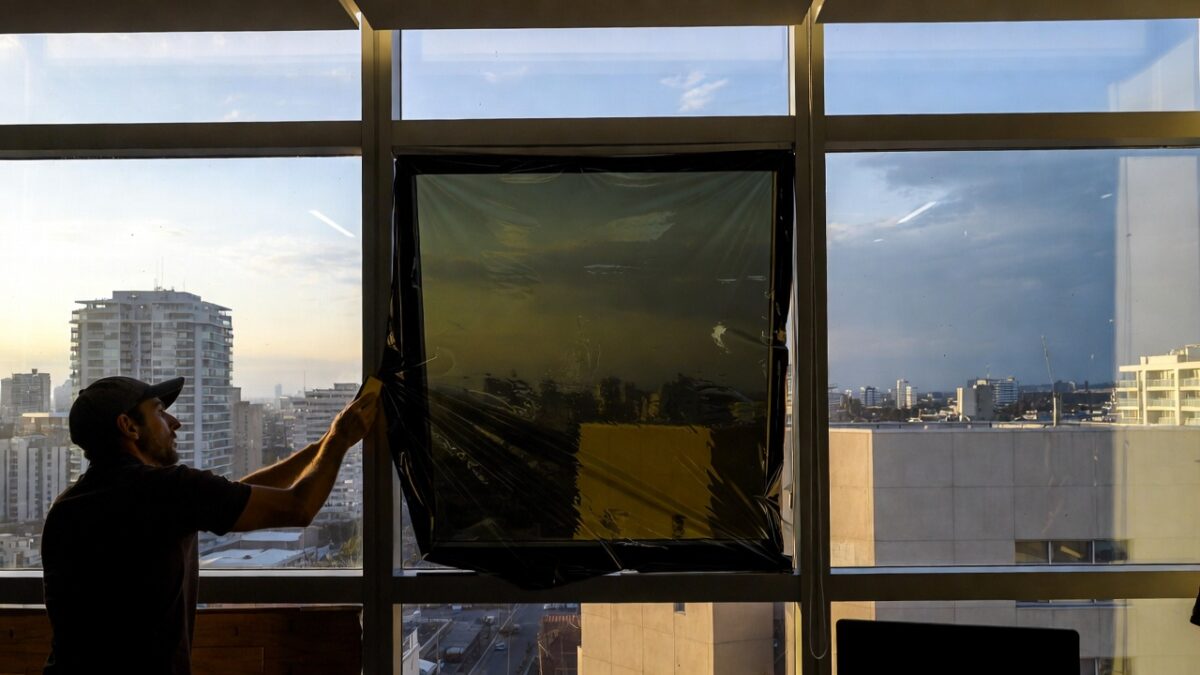
Window tinting involves applying a thin film to the interior or exterior of glass surfaces. This film can be clear or tinted and is designed to control the amount of light and heat that passes through the glass. The technology used in window films has advanced significantly, offering various options that cater to different needs.

Top-Rated Window Tinting Services Near You

Finding the right window tinting service can be daunting, but we’re here to help you narrow down your options. Here are some highly-rated providers known for their excellent service and quality products:

1. Tintly Window Films

Tintly Window Films is renowned for its high-performance window films and expert installation services. They offer a wide range of tint options suitable for both residential and commercial properties, ensuring that every client finds the perfect fit for their needs.

2. ClearView Window Tinting

ClearView Window Tinting specializes in delivering superior quality window films that enhance privacy and energy efficiency. With a focus on customer satisfaction, they are committed to providing personalized solutions that cater to individual requirements.

3. EcoTint Professionals

EcoTint Professionals offer environmentally-friendly window films that not only improve aesthetics but also significantly reduce energy consumption. Their experienced team provides meticulous installations that maximize the benefits of window tinting.

Benefits of Window Tinting

Enhanced Aesthetics

Window tinting can significantly improve the appearance of both residential and commercial spaces. Tinted windows give a sleek, modern look that can complement any design style. For interior designers, this means offering clients a way to upgrade their spaces without major renovations.

Improved Energy Efficiency

Energy-efficient windows

One of the key benefits of window tinting is its ability to improve energy efficiency. By blocking a significant amount of solar heat, window films can reduce the need for air conditioning in the summer and retain heat in the winter. This translates into lower energy bills and a smaller carbon footprint.

Increased Privacy and Security

Window films can provide added privacy by limiting the view from outside without compromising the view from within. Additionally, in the event of glass breakage, the film holds the shards together, reducing the risk of injury and making it harder for potential intruders to gain access.

UV Protection

Window tinting can block up to 99% of harmful UV rays, protecting your furniture, flooring, and artwork from fading. This is particularly important for interior designers who strive to maintain the integrity and longevity of their design elements.

Choosing the Right Window Tinting Service

When looking for window tinting services, it’s crucial to find a provider that offers quality products and professional installation. Here’s what to consider:

Experience and Expertise

Look for companies with a proven track record in window tinting. Experienced professionals will be able to recommend the best type of film for your specific needs and ensure a flawless installation.

Range of Products

A good window tinting service should offer a variety of films to choose from, including options for different levels of tint, UV protection, and energy efficiency. This allows you to tailor the solution to your specific requirements.

Customer Reviews

Check online reviews and testimonials to gauge the quality of service provided by a company. Positive feedback from previous clients is a good indicator of reliability and professionalism.

Warranty and Aftercare

Ensure that the company offers a warranty on their products and services. This not only provides peace of mind but also shows that the company stands behind the quality of their work. Additionally, inquire about aftercare services to maintain the longevity of the tint.

Conclusion

Window tinting is an excellent investment for anyone looking to enhance the comfort, privacy, and energy efficiency of their space. Whether you’re an interior designer seeking to incorporate stylish, eco-friendly solutions or a homeowner aiming to reduce energy bills, window tinting offers a versatile and cost-effective solution.

By choosing a reputable service provider, you can ensure that you receive top-quality products and expert installation, maximizing the benefits of window tinting. With the right window tinting service, you can transform your space into a more comfortable, energy-efficient, and aesthetically pleasing environment.

Categories
Window Films and Tinting Toronto

Best Face Serums For Mature Skin

The key to keeping your skin in the best possible condition at any age is understanding the unique needs your skin has according to its age, the season, and your general skin type. That means being prepared to shift your regimen as needed over time, so you need to be on the lookout for new products that suit your needs. When looking for skincare serums for women over 50, it’s important to check out which vitamins and enzymes they rely on. 

Key Ingredients in Anti-Aging Serum for Sensitive Skin

Look for these ingredients when selecting your anti-aging serum: 

  • Hyaluronic Acid, one of the most potent moisturizing agents on the market today
  • Coenzyme Q10, a powerful antioxidant used to fight the signs of aging at a cellular level
  • Vitamin C, as always, a staple for healthy skin and a healthy immune system

If you are looking for a single serum that covers all these ingredients, you might not find it, so you may have to choose the active ingredients you want most. Some serums, like the DermaC+ Anti-aging Serum have several of them in combination, though. 

Other Uses for Face Serum

Anti-aging serums also help eliminate dark spots, freckles, and other blemishes, not just wrinkles. Lightening those spots requires a different approach from general wrinkle reduction, though. When you are looking for the best face serum for dark spots, Vitamin C and other vital antioxidants are the most important factor. Try out a hyaluronic acid + vitamin C combination to get results with your dark spots.

Find Natural Skin Care For Any Purpose

Developing a skin care regimen means having the right choices of cleanser, moisturizer, and enriching products like facial serums, so remember to keep looking for new options for each component as you adjust your skincare regimen. That way, your selections will evolve with your needs. Look for your next serum today.

Categories
Window Films and Tinting Toronto

How To Get Glowing Skin For New Years Eve

New Year’s Eve is a time to shine and what’s a more appropriate look than warm, glowing skin? Here are a few tips and skin glowing products you can use to achieve that perfect New Year’s Eve luminosity.

  1. Keep Your Skin Fresh by Exfoliating

Exfoliating is essential to achieving a beautiful glow. Over time, dead skin form a layer over new cells, interfering with absorption of moisturizer and other treatments. A good scrub can loosen dead cells and reveal the fresh skin underneath.

  • Use Serums To Replenish Your Skin’s Nutrients 

Serums are lightweight compared to creams and lotions, and often contain vitamins to revitalize your skin. A great example is the DermaCell serum.

  • Indulge in Highlighter – But Don’t Wear It to Bed

A nice highlight can go a long way to giving your cheeks a healthy glow, but you’ll want to wash it off before saying goodnight. Sleeping in makeup doesn’t let your skin breathe and can lead to clogged pores and dull skin. Avoid acne and blemishes by giving your skin a little breathing room before you hit the sack.

Get bright, youthful skin this New Year’s Eve with a combination of healthy habits and helpful skin glowing products. Shine bright on your night out and welcome the new year with the best kind of brilliance.